
Birth Control Methods
The good news is there are LOTS of ways to prevent pregnancy. The less-good news is that that can make choosing the right method feel overwhelming. But it's truly your choice – there’s no right or wrong answer, and no single option that works best for everyone. Your medical history, personal preferences, and possible side effects will play a role in finding the right fit, and I'm here to help you figure it all out. So read on and we can talk when you're ready!
CONDOMS
Condoms are a thin barrier you put on a penis (or sometimes inside the vagina) during sex to help prevent pregnancy and protect against sexually transmitted infections (STIs). They are easy to use, affordable, and the only method that protects against both pregnancy and STIs. Using condoms every time you have sex is one of the safest ways to stay protected.
Condoms are the ONLY form of birth control that protect against STIs.

PILLS
There are 3 types of pills that can be used for pregnancy prevention:
1) The Combination Pill
Often just called “the pill” — the Combination Pill contains two hormones, estrogen and progesterone. Together, the hormones stop ovulation (the release of an egg), thicken cervical mucus to block sperm, and thin the uterine lining to help prevent pregnancy. The pill can also make periods more regular, lighter, and less crampy.
To work best, the Combination Pill must be taken at the same time every day. Different brands have slightly different hormone levels, and it can take a few months for a person’s body to adjust. If side effects are bothersome, the patient should talk to a healthcare provider about switching to a different pill or method.
The Combination Pill DOES NOT protect against STIs
2) The Mini Pill
The mini pill has only one hormone, progesterone, and is a good option for people who can’t take estrogen. It must be taken at the same exact time every day to work well. As of 2024, patients can buy this type of pill over the counter without a prescription.
The Mini Pill DOES NOT protect against STIs.
3) The Morning After Pill
The Morning After Pill is a form of emergency contraception. It can be taken after unprotected sex to prevent a pregnancy.
The Morning After Pill is NOT an abortion pill and DOES NOT protect against STIs.


THE PATCH
The Patch is a small sticker (about 2 inches wide) that works by releasing hormones through the skin to prevent pregnancy. It can be worn on most parts of the body and must be changed once a week. It is convenient and easy to use.
The Patch DOES NOT protect against STIs.

THE RING
The Birth Control Ring
The birth control ring is a small, flexible ring you insert into the vagina. It stays in for three weeks and slowly releases hormones to prevent pregnancy, just like the pill. There are two types or rings: one gets replaced every month, and one that can last over a year.
The ring DOES NOT protect against STIs.

THE SHOT
Depo-Provera is a birth control shot that contains one hormone, progesterone. It works by stopping the ovaries from releasing an egg. The shot is given every 3 months (13-15 weeks) and can be given in the arm, belly, thigh, or butt. Many patients get their shot at a clinic, but if they are comfortable enough, they can also give it to themselves at home.
The Shot DOES NOT protect against STIs.

THE IMPLANT
Nexplanon is a tiny, matchstick-sized rod that a healthcare provider places under the skin of the upper arm. It releases one hormone, progesterone, and it can prevent pregnancy for 3–5 years. The arm is numbed before insertion, so it shouldn’t hurt. Nexplanon is invisible to others and can be removed anytime.
The Impant DOES NOT protect against STIs.

THE IUD
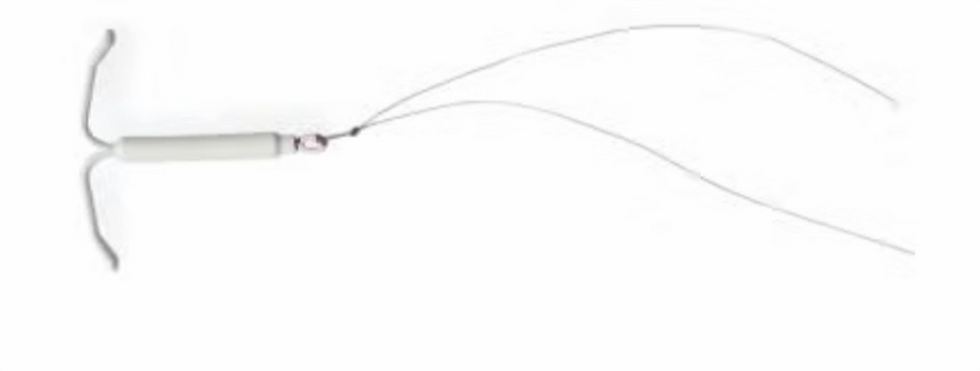
An IUD is a small, T-shaped device a healthcare provider places in the uterus to prevent pregnancy. In the U.S., there are five FDA-approved IUDs: Paragard (no hormones) and Mirena, Kyleena, Skyla, and Liletta (all contain progesterone). Depending on the type, an IUD can work for 3–12 years and can be removed anytime.
IUDs DO NOT protect against STIs.
The Bare Facts provides educational content for informational purposes only and does not provide or replace medical or professional advice, crisis support, diagnosis, or treatment. If you believe your child is in danger or may endanger others, contact your healthcare provider, call 911 or take your child to the nearest emergency room. Do not delay seeking medical or professional advice because of information provided on this site. Please review the Terms of Use to learn more.


